ServicesTrailer Interchange
Trailer Interchange Insurance in Palmetto
When you hook up to a trailer you don't own, the damage to that trailer is usually on you. Trailer interchange coverage pays for it. We explain what your agreement asks for and match the coverage to it.
What trailer interchange coverage actually does
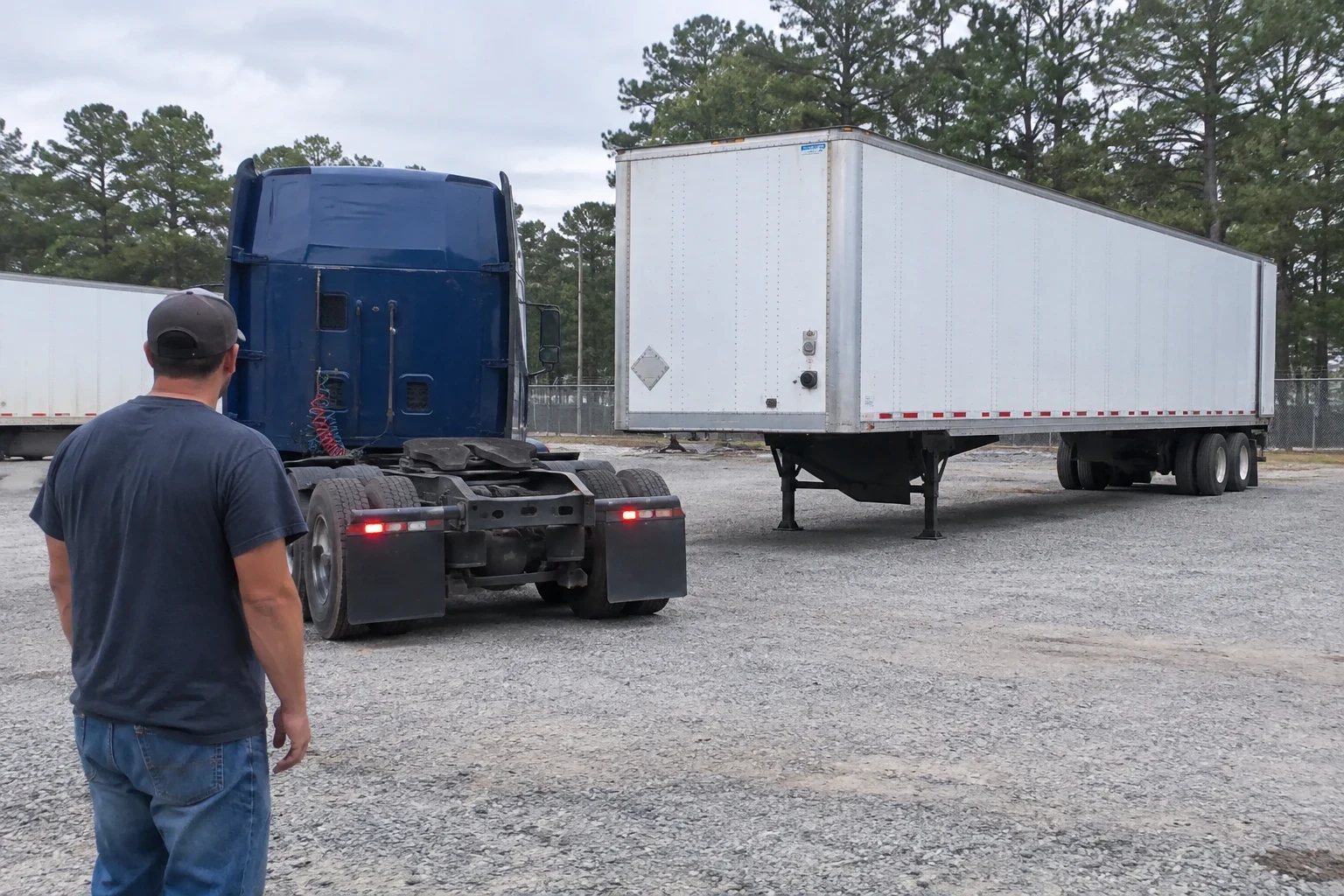
Trailer interchange insurance pays for physical damage to a non-owned trailer while it's in your possession under a written trailer interchange agreement. Think collision, fire, theft, and similar losses to the trailer itself. It's common for intermodal drayage, container chassis work, and drop-and-hook freight where shippers or other carriers hand off trailers.
Here's the part that trips people up. Primary auto liability handles the harm a crash causes to other drivers, their passengers, and their vehicles. It won't pay to repair the trailer behind your truck. Your physical damage policy protects the truck you own, not equipment that belongs to someone else. Without interchange coverage, a wrecked trailer can turn into a bill from the owner.
We've been in business 5 years, and a lot of that time goes to explaining this exact gap to motor carriers and owner-operators. We read what the agreement requires, tell you in plain words what each option means, and set you up with coverage that fits.
What we look at and set up
- Reading your interchange agreement
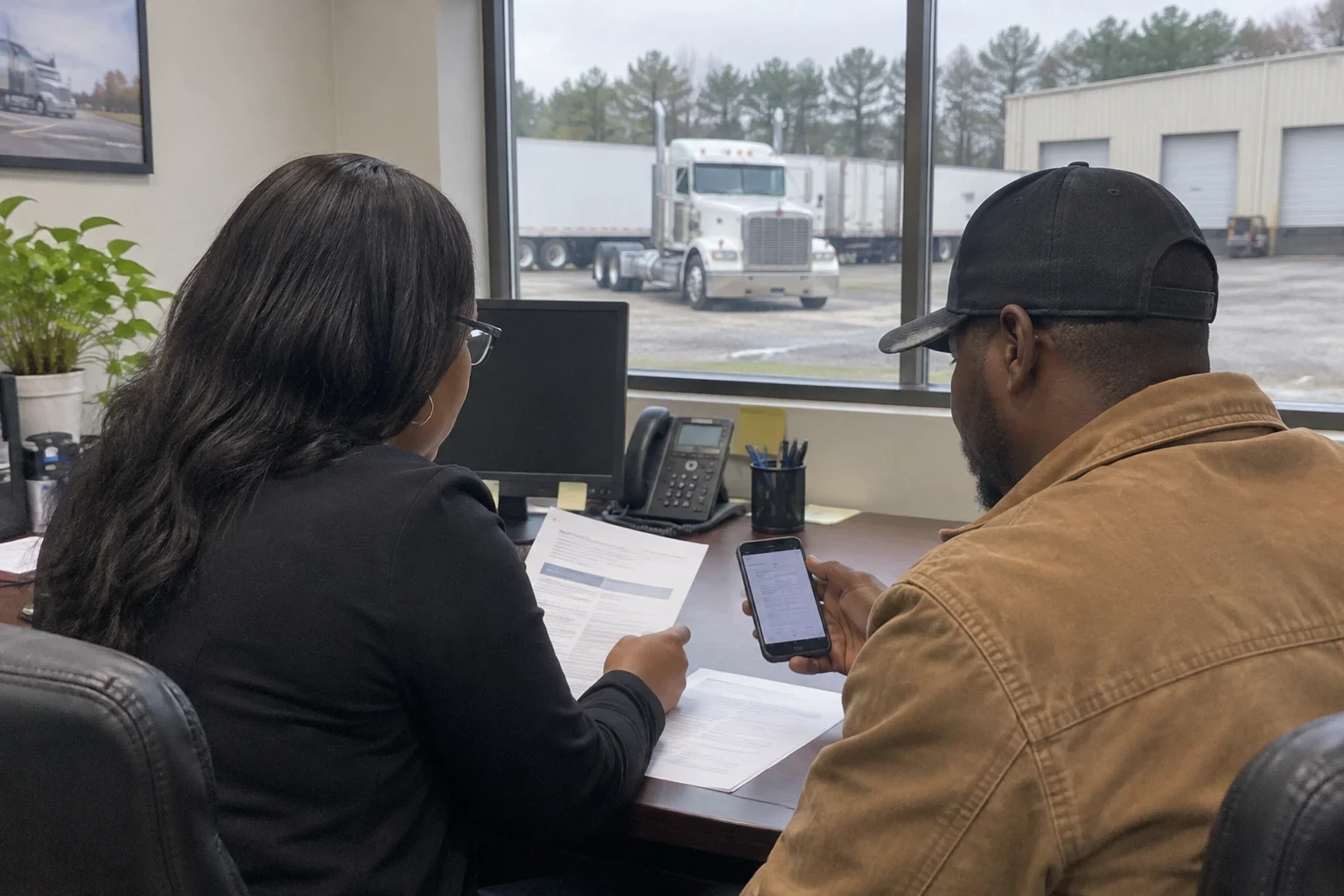
- Most agreements spell out a minimum limit per trailer and who pays the deductible. We go through it with you line by line so the coverage matches what you signed.
- Setting the right limit
- The limit should cover the most valuable trailer you'll pull. A 53-foot dry van, a reefer, and a container on a chassis can be worth very different amounts.
- Choosing a deductible
- A higher deductible lowers the premium but means more out of pocket after a loss. We show you both sides so you can pick what your operation can handle.
- Interchange vs. non-owned trailer coverage
- If you pull other people's trailers without a written agreement, non-owned trailer physical damage may fit better. We explain the difference and which one your work calls for.
- Certificates of insurance
- Trailer owners and intermodal providers often want a certificate of insurance showing interchange coverage before releasing equipment. We get those issued so you're not stuck at the gate.
Signs you need trailer interchange coverage
You signed an interchange agreement
If there's a written agreement with a railroad, steamship line, shipper, or another carrier, it almost always requires this coverage. Pulling without it can put you in breach.
You run intermodal or drayage
Container and chassis work nearly always involves interchange paperwork. The equipment provider will ask for proof before you hook up.
You swap trailers with another carrier
Trading loads or trailers with a partner carrier is interchange in plain terms. Each side needs coverage for the other's equipment.
A broker or shipper asked for it
Some loads come with a requirement for a set interchange limit. If you're not sure you have it, check before you accept the load.
You only have liability and physical damage
Those two policies leave the borrowed trailer uncovered. That's the gap this fills.
What moves the premium
Trailer interchange is usually priced on how much trailer value you're responsible for and how risky the work looks. There's no flat rate. These are the things that move it most.
Limit per trailer
Higher trailer values need higher limits, and higher limits cost more. Reefers and specialized trailers usually push this up.
Deductible
Taking on a bigger deductible brings the premium down.
Driving and loss history
Clean MVRs and few claims help. Prior trailer damage claims will show up in the price.
Type of freight and radius
Short-haul drayage and long-haul over-the-road work carry different risks, and underwriters price them differently.
Time in business
New authorities often pay more until they build a track record. Our New Authority Truck Insurance page covers what to expect in that first stretch.
How getting covered works
- 1
Tell us about your work
Call and walk us through the freight you haul and who owns the trailers you pull. Keep your DOT number nearby, plus your MC authority if one has been issued.
- 2
Go over the agreement
We review the interchange agreement or the equipment provider's requirements with you, by phone or at our office. That shows us the limit and terms you need.
- 3
Compare options
We explain each quote in plain English, including the limit, deductible, and what's excluded. You make the call, not us.
- 4
Bind and issue paperwork
Once you choose, we bind the coverage and get your certificate of insurance to whoever needs it. You can meet with us at our office in Palmetto, or by phone and video.
Trailer interchange questions we hear
Isn't the trailer covered by the owner's insurance?
Usually not while it's in your hands. Most interchange agreements shift that responsibility to the carrier pulling the trailer. That's why the agreement requires you to carry this coverage.
Does trailer interchange cover the cargo inside?
No. It covers the trailer itself. The freight is covered under motor truck cargo insurance, which is a separate policy we can also explain.
What's the difference between interchange and non-owned trailer coverage?
Interchange applies when there's a written trailer interchange agreement. Non-owned trailer physical damage covers trailers you pull without one. Some operations need both, and we'll help you sort out which applies.
Does it cover the trailer while it's parked?
Generally yes, as long as it's in your possession under the agreement. Coverage for theft or fire while dropped in a yard depends on the policy wording, so we'll point out exactly where those limits sit.
Can you help if I'm an owner-operator leased to a carrier?
Yes. Some carriers cover interchange for their leased drivers and some don't. We're licensed for property and casualty insurance, and we'll look at your lease to see what's already handled and what's on you.
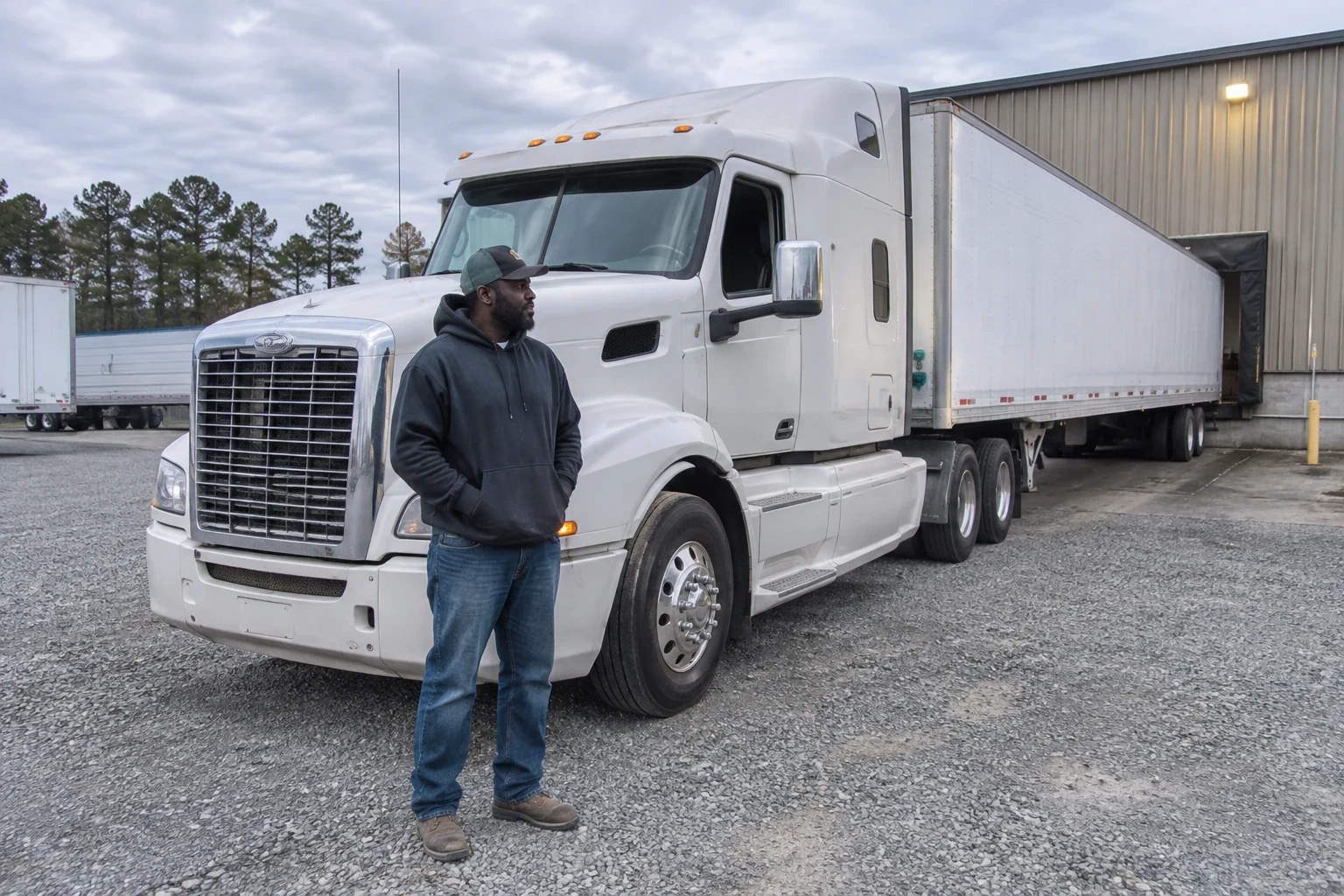
Have an agreement sitting in your truck?
Bring it to us. We'll read it with you and explain what coverage it calls for, in words that make sense.