ServicesOwner-Operator Insurance
Owner-Operator Truck Insurance in Palmetto
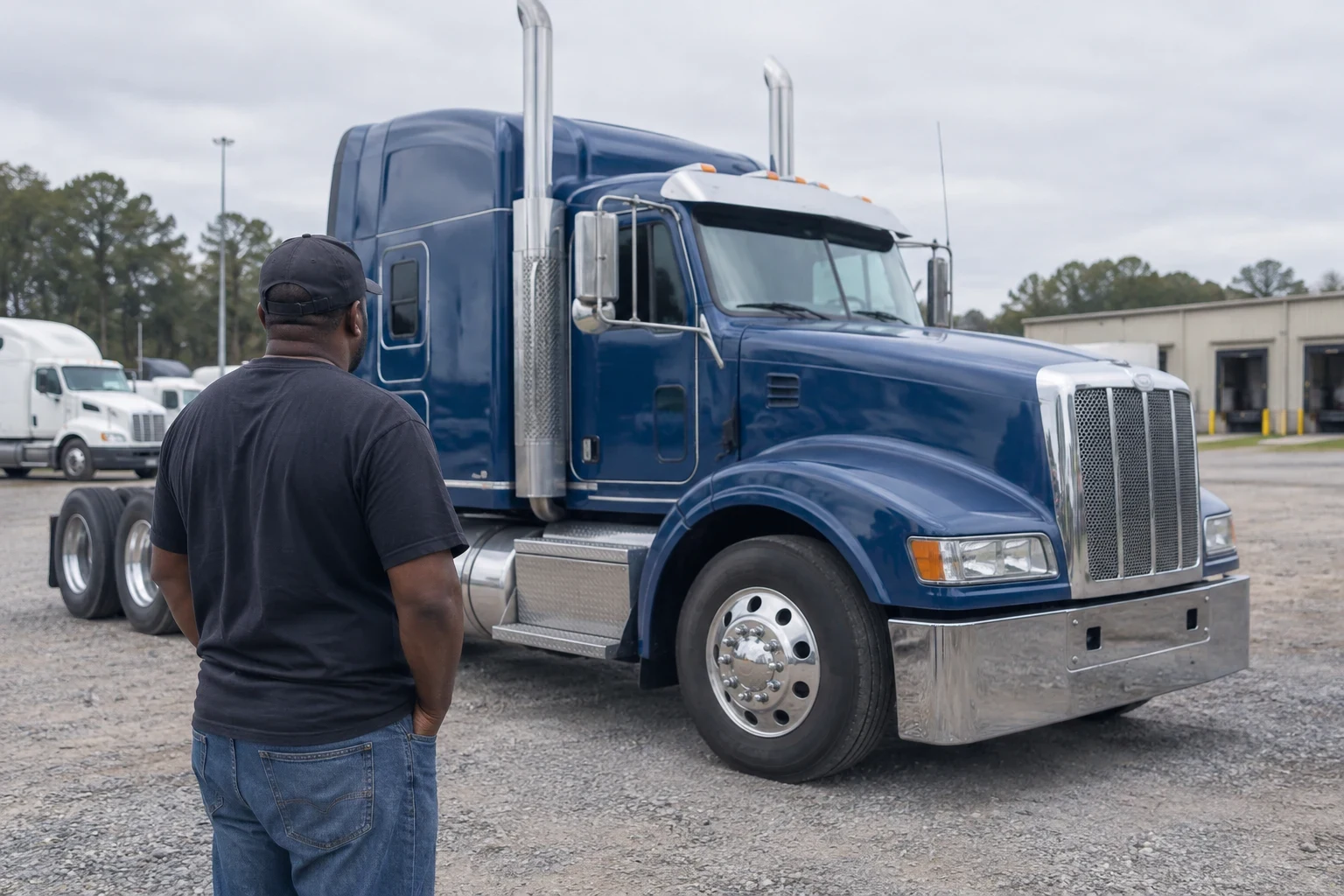
You own the truck, so you carry the risk. We sort out what your lease or your own authority already covers, what it leaves open, and what you actually need to buy. Every option explained in plain words before you sign anything.
What owner-operator coverage really means
There is no single owner-operator policy. What you need comes down to one question: are you leased onto a motor carrier, or running under your own MC authority and DOT number?
If you are leased on, the carrier usually carries the primary liability while you are under dispatch. Your gaps are the truck itself and the miles you drive off dispatch. If you run your own authority, the whole stack is yours, including the filings the FMCSA wants to see before your authority goes active.
We hold a license for property and casualty insurance, and our doors have been open for 5 years now. With owner-operators, the first thing we usually do is sit down with your lease or authority paperwork and go through it one clause at a time.
What we look at with you
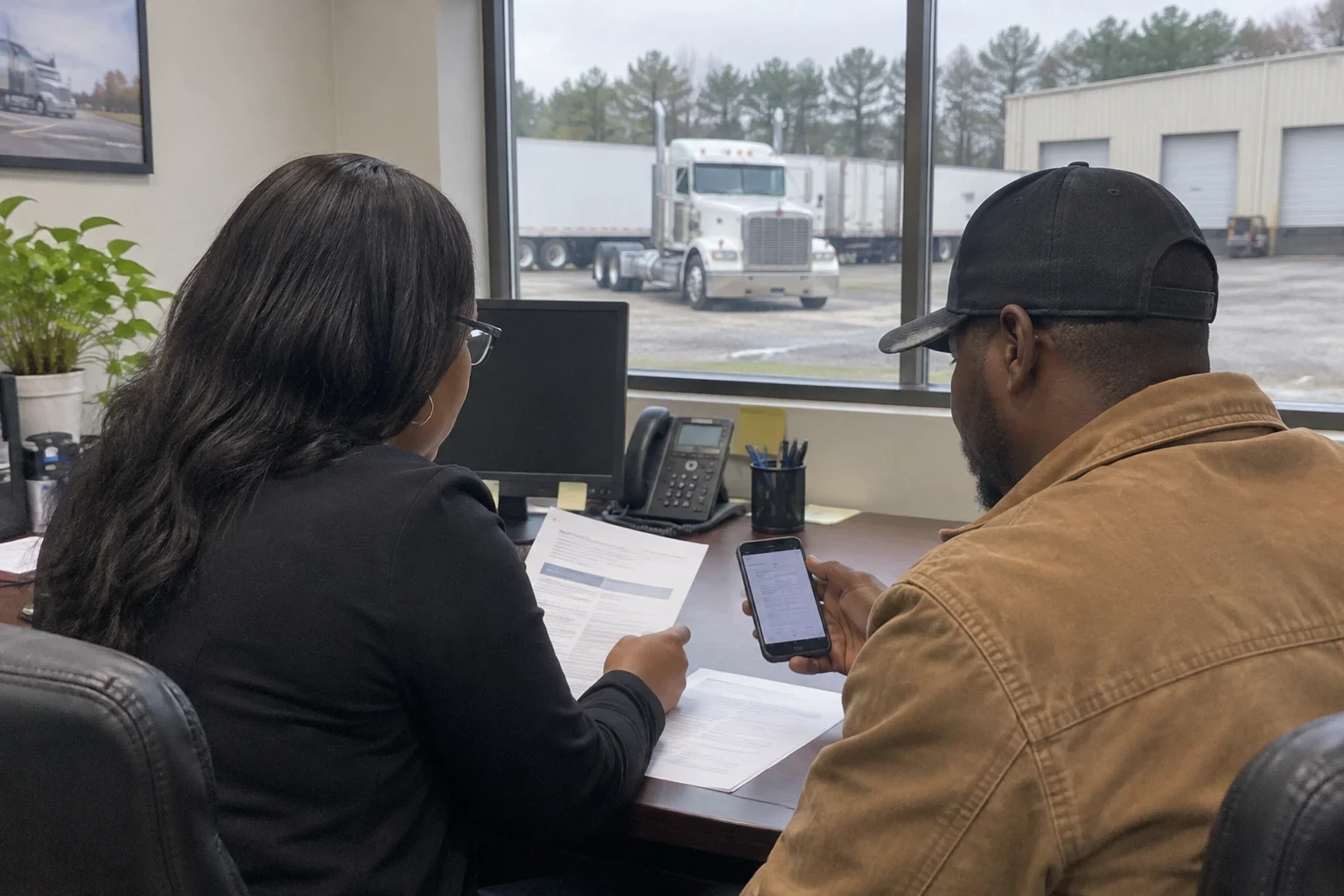
Your lease agreement
Leases spell out who pays for what. Some carriers charge back for physical damage or cargo deductibles. We read those clauses with you so you know what you are on the hook for.
Primary auto liability
For drivers with their own authority, this is the coverage that pays for injuries and damage you cause to others. The insurer files proof of it with the FMCSA. More on our Primary Auto Liability Insurance page.
Non-trucking liability
Leased drivers often need bobtail coverage for driving the truck when they are not hauling for the carrier, like heading to the shop on a weekend. We explain where it stops and the carrier's coverage starts.
Physical damage on the truck
Pays to repair or replace your tractor after a wreck, fire or theft. If you financed the truck, your lender will likely require it and name itself on the policy.
Cargo and trailer coverage
If you haul on your own authority, shippers and brokers will ask for cargo coverage. If you pull trailers you don't own, trailer interchange may come into play too.
Signs it's time to review your coverage
- You're switching carriers
- A new lease can change what the carrier covers. Your old setup may now overlap or leave a hole.
- You're getting your own authority
- Going from leased to independent means you need primary liability and filings in place first. Our New Authority Truck Insurance page covers that step in detail.
- A broker rejected your certificate
- If a certificate of insurance comes back short on limits or missing a coverage, loads stall. That usually means the policy needs work, not just new paperwork.
- You bought or paid off a truck
- A new truck changes your physical damage values. A paid-off truck means you may get to choose your deductible instead of the lender.
- Your premium jumped at renewal
- Sometimes it's a ticket or a claim. Sometimes it's the market. We can tell you which and what you can change.
How it works when you call
- 1
A short phone conversation
We ask how you run: leased or own authority, what you haul, how far you go, and what truck and trailer you have. You can also sit down with us at our office or over video.
- 2
Gather the paperwork
Have your CDL, DOT and MC numbers, truck VIN, and your lease if you have one. If you carried a policy before, loss runs from that company help us shop.
- 3
We shop and explain
We bring back options and walk through each coverage in plain words, including what is excluded. You pick the deductibles and limits that fit your budget and your contracts.
- 4
Filings and certificates
Once you bind, we handle the filings your authority needs and send certificates of insurance to the carriers or brokers you name.
What moves the price
We can't give a number until we know how you run. Two drivers with the same truck can pay very different premiums. These are the things that matter most.
- Leased on or own authority
- Leased drivers often buy less because the carrier carries primary liability. Running your own authority means paying for the full stack yourself.
- Driving record and experience
- Insurers pull your MVR and look at how many years you've held a CDL. Recent violations or a short track record raise the premium.
- What and where you haul
- Radius, routes and commodity all count. Long-haul runs and higher-value freight cost more than short regional work out of the south metro.
- Truck value and deductible
- A newer, more expensive truck costs more to cover for physical damage. A higher deductible lowers the premium but means more out of pocket after a claim.
- Claims history
- Past losses show up on your loss runs. A clean few years helps when we shop your coverage.
Owner-operator questions we hear
- My carrier says I'm covered. Do I need anything else?
- Probably. The carrier's policy usually covers liability only while you're under dispatch. Your truck itself and your off-duty driving are often on you. We can read the lease with you and point out exactly where the gaps are.
- Is bobtail coverage the same thing as non-trucking liability?
- Not always, even though the two names get swapped a lot. Non-trucking liability is meant for times you're driving for personal reasons, off the carrier's clock. A true bobtail policy can respond any time the tractor runs without a trailer, business trips included. Your lease decides which one you need, so we check its exact language.
- Can I keep the same policy if I get my own authority?
- Usually not as it stands. Running your own authority means primary liability with a federal filing, and brokers will expect cargo coverage too. We'd rebuild the policy around how you'll run once you're independent.
- How long does it take to get coverage in place?
- It depends on how fast we get your documents and how quickly the companies we quote with respond. New drivers and new authorities can take longer to place. Calling well before your start date gives us room to work.
- Do you only work with drivers in Palmetto?
- No. We work with owner-operators across the area, including Fairburn, Union City, Newnan and Peachtree City. Most of it can be done by phone or video.
Know what you're paying for
Tell us how you run and we'll explain your options in plain words. Bring your lease or authority paperwork and we'll go through it together.