ServicesNew Authority Truck Insurance
New Authority Truck Insurance in Palmetto
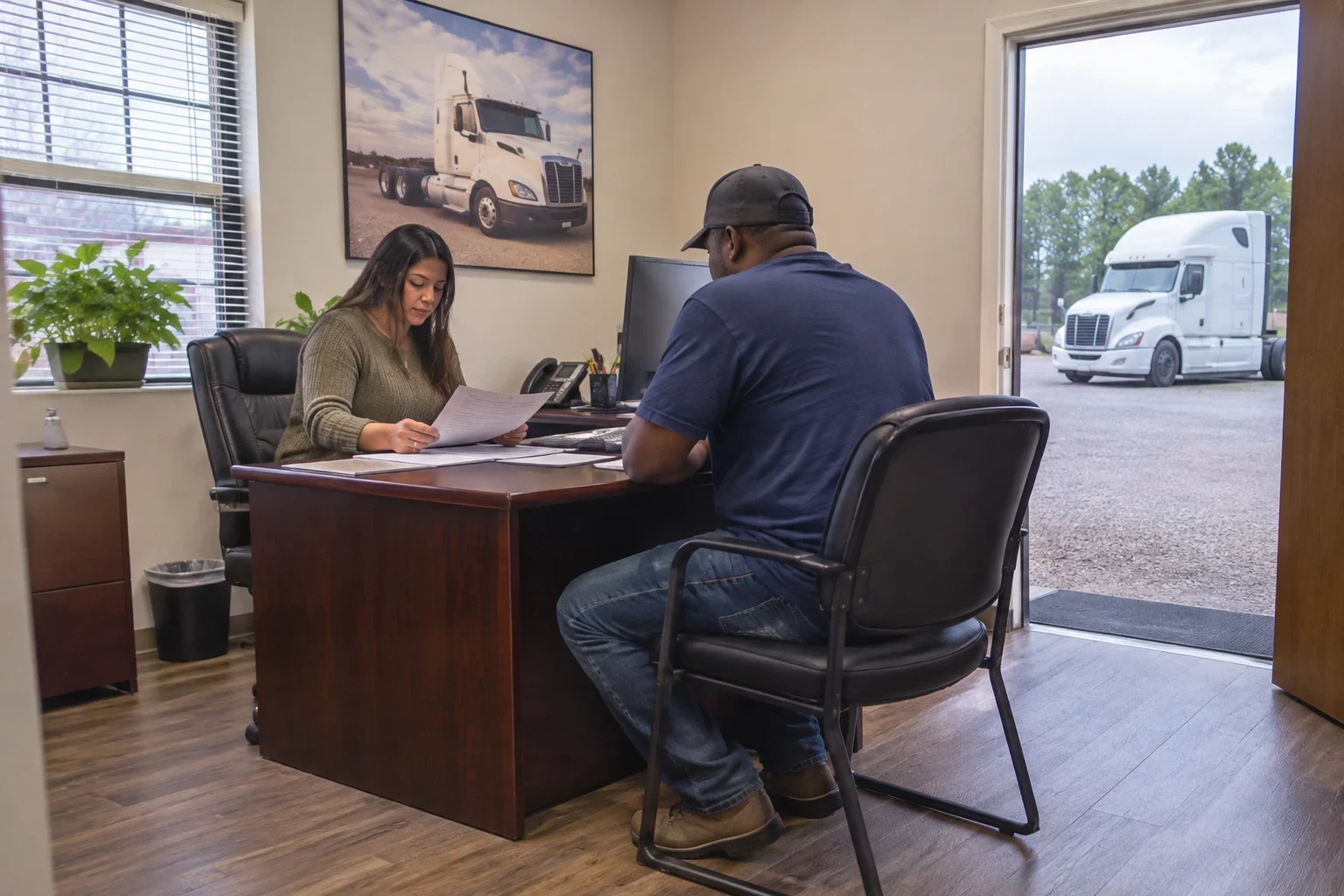
Your MC authority stays inactive until an insurer files proof of coverage with FMCSA. We help new motor carriers get that filing in, pick the coverage brokers and shippers will ask for, and understand every line of the policy before paying a premium.
What new authority insurance is and when you need it
When you apply for operating authority, FMCSA gives you a DOT number and an MC number. The MC authority does not go active until your insurance company files proof of liability coverage. Until then, you can't legally haul for hire across state lines.
New authority insurance is the policy that makes that filing happen, plus the other coverage you'll need to actually get loads. Most carriers in their first year pay more than established ones, and fewer insurance companies will write them. That's normal. It isn't a sign something is wrong with you.
We hold a license for property and casualty insurance, and we've spent 5 years in business working with truckers. On a new authority call, we keep it simple. We tell you what each coverage does, which parts are required and which are your choice, and what your quote is based on.
What goes into a new authority policy
- Primary auto liability
- If your truck hurts someone or damages their car or property, this is the coverage that responds. It's also the piece FMCSA needs on file before your authority can go active. Our Primary Auto Liability Insurance page covers limits in more detail.
- The FMCSA filing
- The insurance company sends your liability filing to FMCSA electronically. We look up your MC number afterward to make sure it actually posted, so you're not stuck waiting on paperwork that never went through.
- Motor truck cargo
- This protects the freight on your truck. Federal rules don't call for it on most loads, but brokers and shippers almost always want to see cargo coverage before they'll give you a load.
- Physical damage
- This is for your own tractor and trailer, covering things like a wreck or theft. A lender on a financed truck will make it a condition of the loan.
- Certificates of insurance
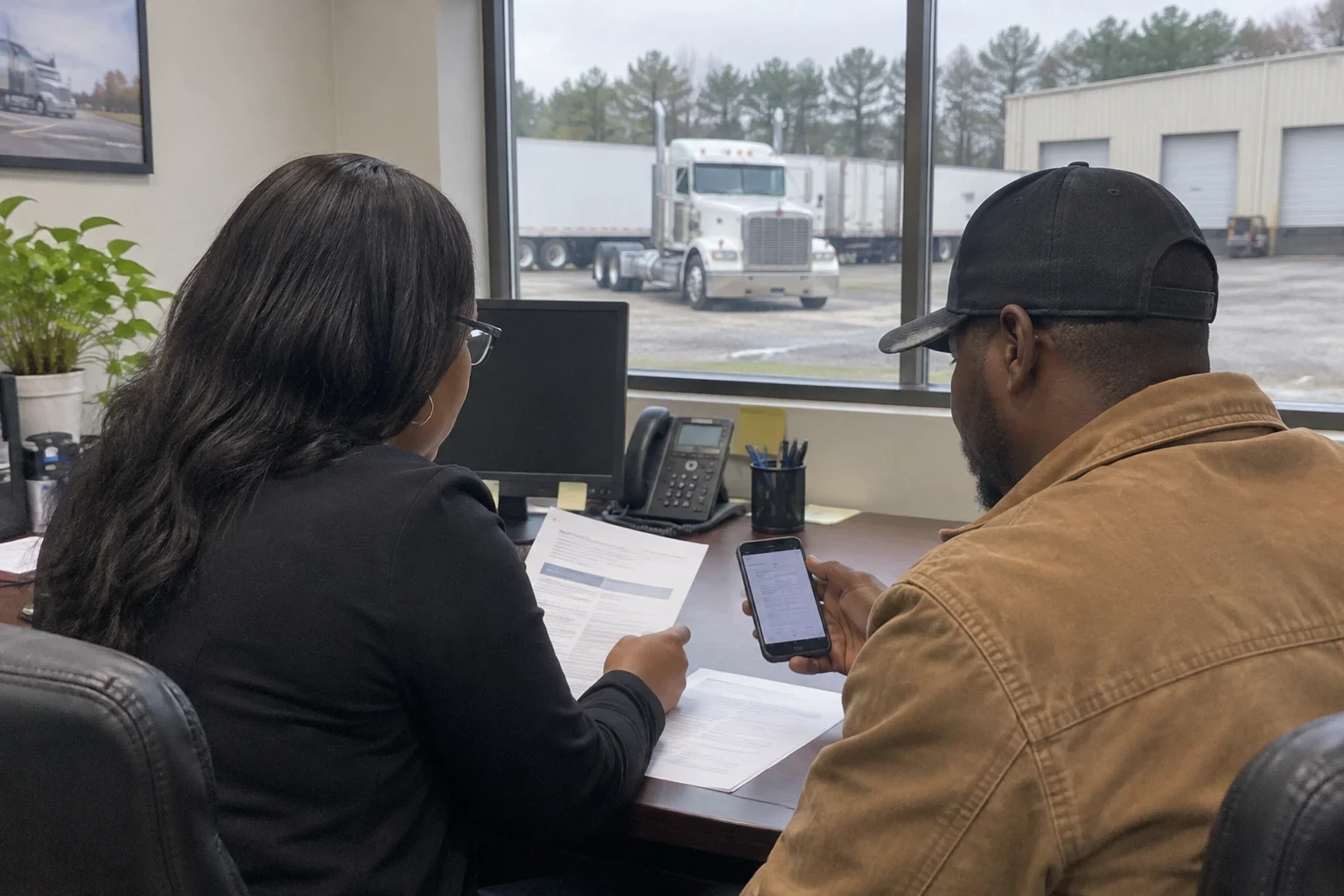
- Before your first load, a broker will ask for a certificate of insurance. We send those out and list the broker as certificate holder when they ask for it.
- Optional add-ons
- Some operations need trailer interchange, general liability or occupational accident. Others don't. We'll give you a straight answer on which camp you're in.
Signs you're at the new authority stage
Your MC number shows pending
FMCSA granted your application, but your authority won't go active without an insurance filing on record.
You're leaving a lease
You've been an owner-operator under someone else's authority and you want to run under your own. Your old non-trucking liability won't cover you as a motor carrier.
A broker asked for paperwork
Brokers want a certificate of insurance showing liability and cargo coverage. Without it, you can't get set up.
Your new entrant audit is coming
FMCSA runs a safety audit during your first 12 months. Having insurance records, driver files and vehicle info organized makes that go smoother.
Your filing got cancelled
If a policy lapses, the insurer notifies FMCSA and your authority can be revoked. Getting new coverage filed quickly matters.
What moves the price for a new authority
New authority premiums are higher in year one because the insurer has no history on your company. What you can control is how complete and accurate your information is. These are the main things that shape the quote.
Driving experience
Years holding a CDL and time behind the wheel of a truck matter a lot. Many insurers want to see a few years of verifiable experience.
Your driving record
Tickets, accidents and violations on your MVR all show up in the price, or in whether a company will quote at all.
What you haul and where
Freight type, radius and the states you run through all affect risk. Local work around Palmetto and Newnan rates differently than long haul across the country.
Truck and trailer value
Physical damage is priced on what your equipment is worth. Newer, higher-value trucks cost more to cover.
Limits and deductibles
Higher liability limits than the minimum, or lower deductibles, raise the premium. Brokers sometimes require higher limits, so we check before you commit.
How it works with us
- 1
A phone or video call
We ask about your truck, your CDL history, what you'll haul and how far. Most of this can be done by phone or video, or at our office.
- 2
We shop the market
Not every company writes new authority. We go to the ones that do and compare what each one is actually offering.
- 3
We explain the quote
You get each coverage, its limit and its deductible in plain words. If something is optional, we say so.
- 4
Binding and filing
Once you choose, we bind coverage and the insurer files with FMCSA. We check that the filing shows on your MC number, then send your certificate of insurance.
New authority questions we hear
Can I get insurance before my MC number is active?
Yes. In fact you have to. The insurer files proof of coverage with FMCSA, and that filing is one of the things that lets your authority go active.
Why is my first-year quote so high?
Insurers have no claims history on a new company, so they price that unknown in. After a clean year or two, you'll usually have more options. We'll explain what's driving your number.
Is the BOC-3 part of my insurance?
No. The BOC-3 names your process agents and is filed separately, usually through a process agent company. It's a common mix-up, and you need both.
Do I need cargo coverage if the government doesn't require it?
For most freight, the federal filing only covers liability. But almost every broker requires cargo coverage before they'll load you, so in practice most new carriers carry it.
What if I only haul inside Georgia?
Intrastate for-hire carriers may have state requirements instead of, or in addition to, the federal ones. Tell us how you'll run and we'll help sort out which filings apply.
Get your authority active with coverage you understand
Tell us about your truck and your plans. We'll explain your options and get your quote by phone.