ServicesNon-Trucking Liability (Bobtail)
Non-Trucking Liability (Bobtail) Insurance in Palmetto
If you're leased onto a motor carrier, their liability policy covers you while you're under dispatch. Non-trucking liability covers the rest: the drive back after a load, the trip to the shop, a fuel run on your own time. We show you where that line falls before you buy.
What bobtail coverage actually covers
Non-trucking liability pays for injuries and damage you cause to other people while you drive your truck for non-business reasons. It applies when you're not hauling for the carrier you're leased to. Most lease agreements require it, and many carriers want their name on the certificate of insurance before your first dispatch.
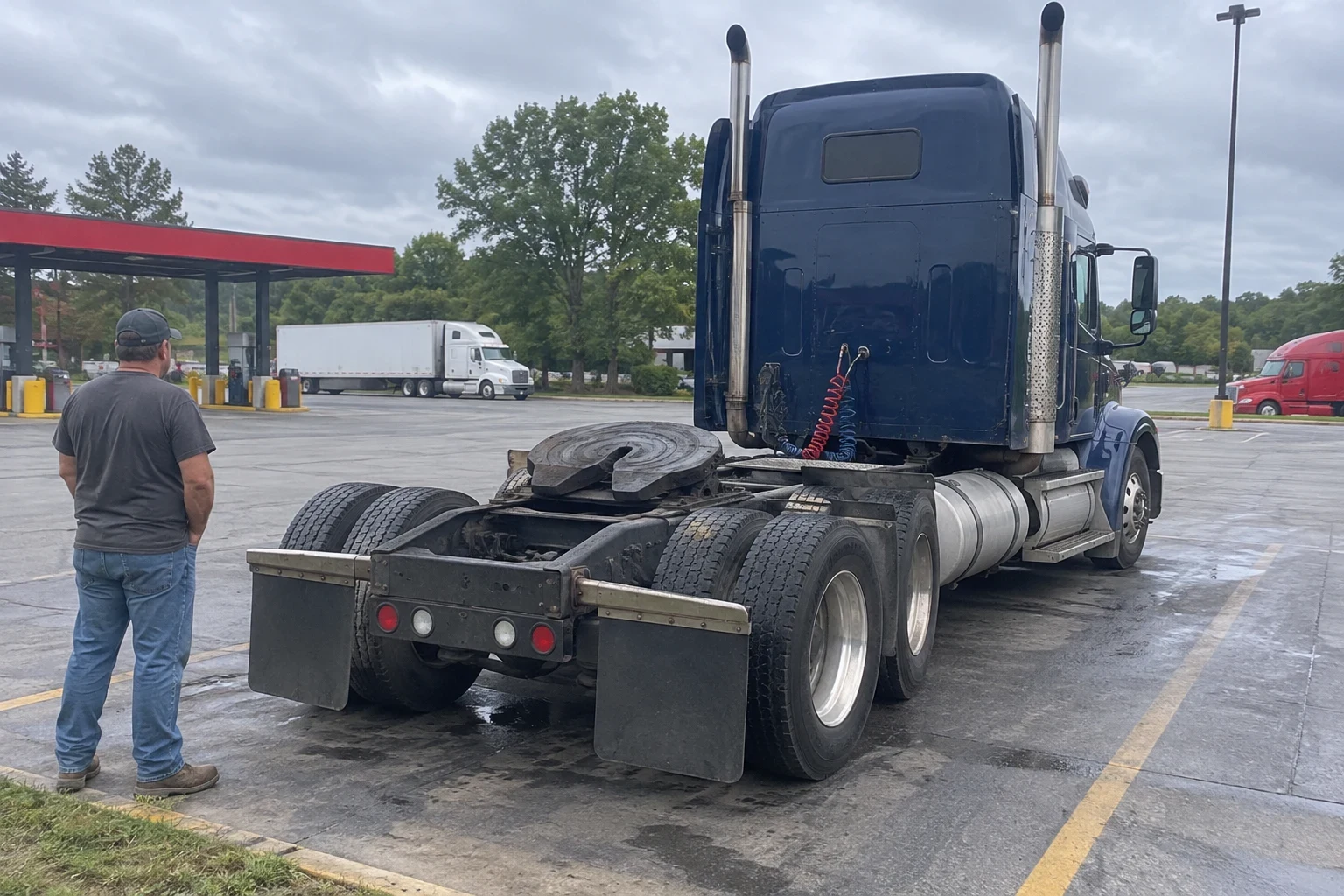
The name trips people up. "Bobtail" means a tractor with no trailer, but true non-trucking liability turns on what you're using the truck for, not on what's hooked behind it. If you drop a trailer and deadhead to the next pickup for the carrier, that's business use, and the carrier's primary liability should answer. Some policies are written as pure bobtail coverage instead. That wording matters a lot on the day a claim comes in.
It isn't the right policy for everyone. If you run under your own MC authority, you need primary auto liability insurance instead. We're licensed for property and casualty insurance and have been in business 5 years, and we'll tell you straight if this policy doesn't fit your setup.
What we go over with you
- Reading your lease agreement
- We look at what your carrier requires: the limits, who must be listed on the policy, and whether they run their own program. Some leases spell out the exact wording the policy needs.
- Dispatch versus personal use
- We walk through real trips from your week and say which policy would respond. Heading to a terminal for a load. A Saturday run to the parts store. Moving the truck to a new parking spot.
- Certificate of insurance to your carrier
- Once the policy is bound, we send the certificate to your carrier with them listed the way they ask. If you switch carriers later, we issue a new one.
- What it leaves out
- Non-trucking liability does not fix your own truck. That's physical damage insurance. It doesn't cover freight either, which is motor truck cargo insurance. We point out the gaps so you can decide what else you need.
- Your policy next to the carrier's program
- Many carriers offer coverage through settlement deductions. We can put that next to a policy you own, so you see the difference in coverage and premium side by side.
When this policy belongs on your list
Your lease is fresh
A new carrier will usually hold your first dispatch until they see proof of non-trucking liability. Sorting it out before the paperwork is final keeps you rolling on day one.
It comes out of your settlement
If the carrier takes it out every week, you may not know what it covers or whose policy it is. Leave that carrier and the coverage typically stops that same day.
The truck goes with you between loads
If you drive the tractor back to where you park it in Fairburn or anywhere else off duty, every one of those miles is personal use. That's exactly what this policy is for.
You're switching carriers
The next carrier may ask for different limits or want to be listed on the certificate in a specific way. What satisfied your old carrier may not pass with the new one.
You're getting your own authority
Once you haul under your own DOT number and MC authority, non-trucking liability is no longer the right fit. Look at our new authority truck insurance page instead.
What moves the premium
This policy only answers for the miles you drive off dispatch, so it tends to run cheaper than primary liability. That said, two drivers with the same truck can see very different numbers. Here is what makes the biggest difference.
Limits your carrier requires
Higher limits mean a higher premium. Your lease sets the floor, and we quote to that unless you ask for more.
Your driving record
Tickets, accidents and how long you've held a CDL all count. Clean years behind the wheel help more than anything else.
Where the truck is garaged
Underwriters look at where the truck parks at night. Moving it to a new lot can change what you pay.
The truck itself
The type and age of the tractor play a part. We need the VIN to price it correctly.
How the policy is worded
Non-trucking wording and pure bobtail wording respond to different trips, and they can be priced differently. We show you what each one buys before you choose.
How it works, by phone or at our office
- 1
Tell us your setup
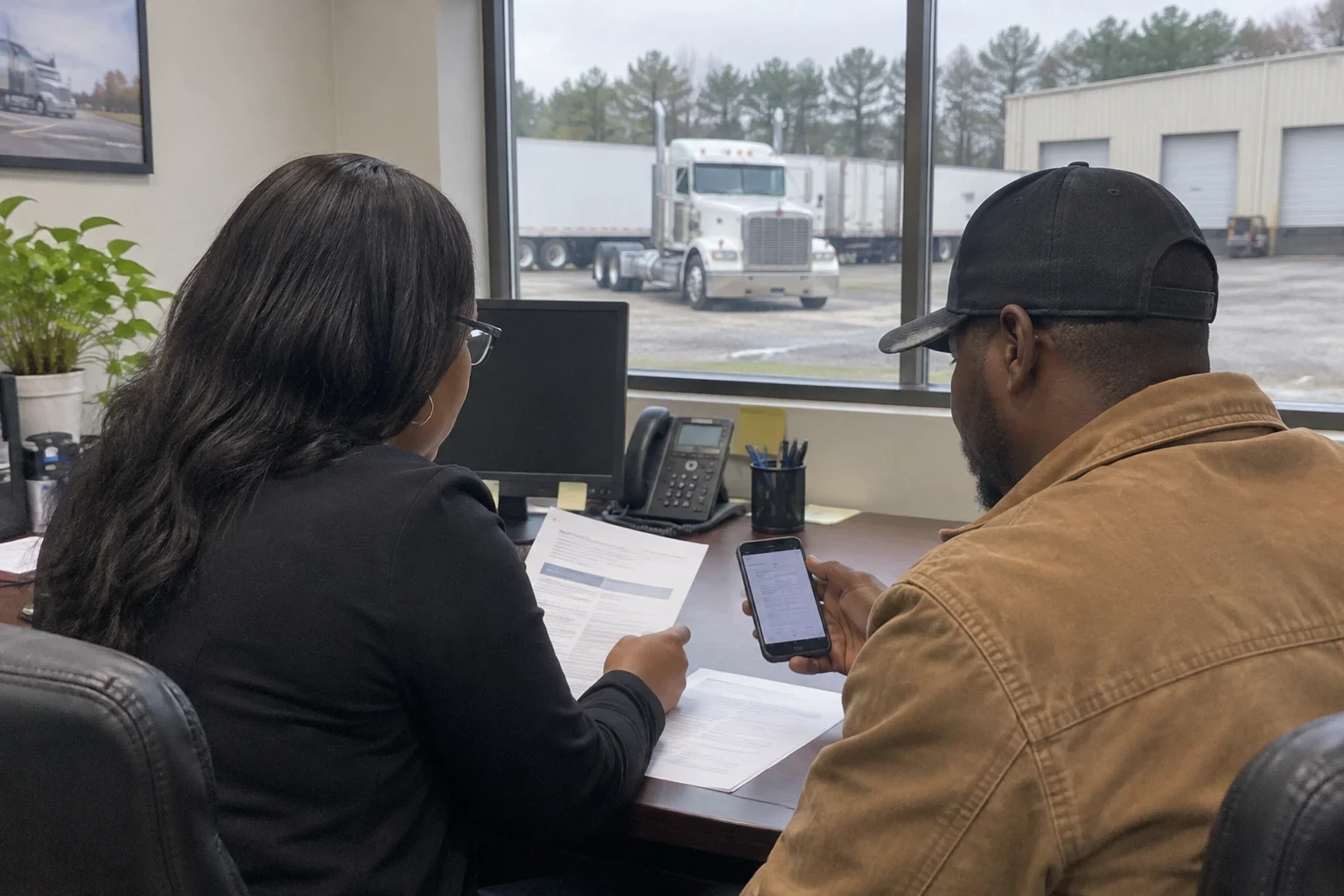
Who you're leased to, the year and make of the truck, where it's parked, and your driving history. Keep your lease agreement handy so we can read the insurance section together.
- 2
We explain your options
We cover what the policy pays for, what it doesn't, and what limits your carrier needs. Everyday words, no fine-print shuffle.
- 3
You get a quote
We lay out the premium and exactly what's included. Take the time you need to decide.
- 4
We bind it and send the certificate
Your carrier gets proof of coverage and you get a copy of the policy. Call us when anything changes, like a new truck or a new carrier.
Bobtail insurance questions we hear
Is bobtail insurance the same as non-trucking liability?
Drivers often treat the two terms as one, but the policies can read differently. Bobtail wording hinges on running without a trailer. Non-trucking wording hinges on being off dispatch. We go through the actual language with you so you know which kind you're buying.
Does it cover me driving to pick up a load?
In most cases, no. A trip to a pickup for your carrier is business use, so their primary liability should respond. Non-trucking liability is for the trips that have nothing to do with hauling for them.
Will it pay to repair my truck after a wreck?
No. It only pays for injuries and damage you cause to other people. Your own tractor needs physical damage insurance, and we can quote both on the same call.
Do I need it if I have my own authority?
No. With your own authority you are the motor carrier, so you need primary auto liability for every mile. Non-trucking liability is meant for drivers leased onto someone else's authority.
Can I keep my policy if I change carriers?
Usually, yes, as long as you own the policy instead of buying through the carrier's program. We issue a fresh certificate of insurance naming the new carrier the way they ask. Being able to take it with you is a big reason drivers buy their own.
Know what you're covered for off the clock
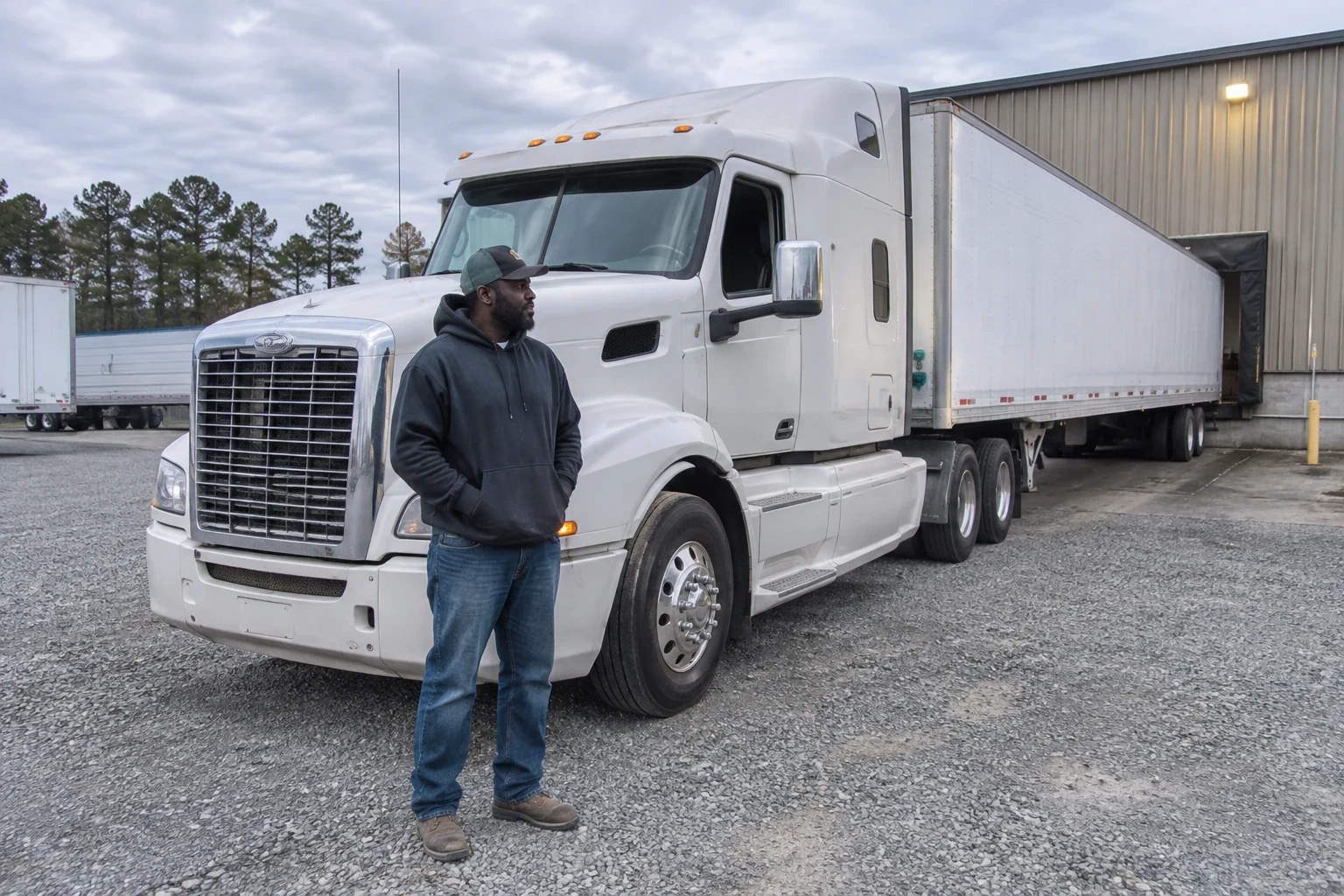
Have your lease and truck details nearby when you call. We'll go over what your carrier asks for and quote a policy by phone.