ServicesPhysical Damage Insurance
Physical Damage Insurance in Palmetto, GA
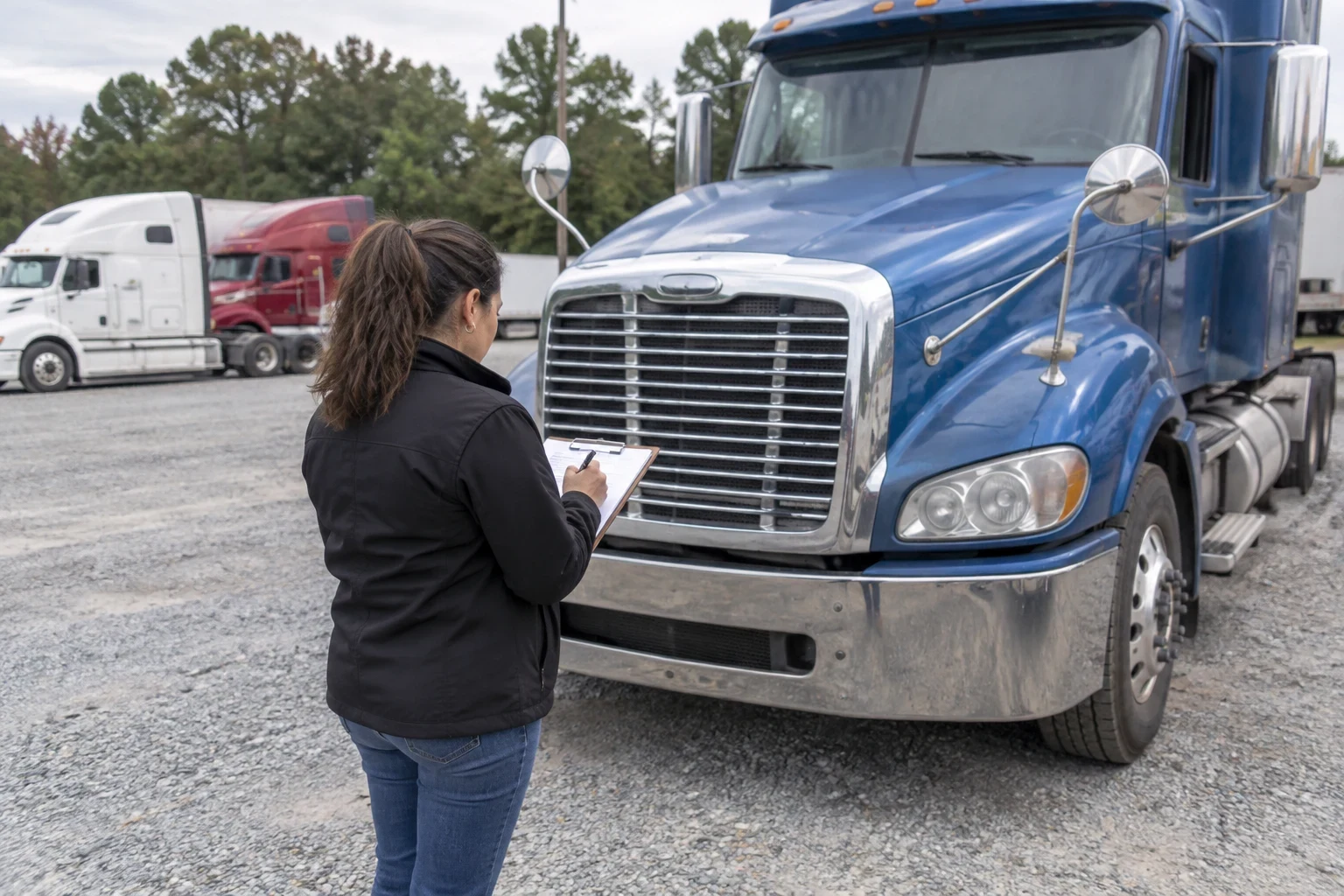
Physical damage insurance pays to fix or replace your own truck and trailer after a wreck, theft, fire or storm. We explain how the value is set, what the deductible does and what your lender needs, so you know what you are buying.
What physical damage coverage actually pays for
Your liability policy pays for the other guy. Physical damage pays for your equipment. It is usually split into two parts. Collision covers your truck when it hits something or rolls over. Comprehensive covers most everything else, like theft, fire, hail, falling trees, flooding and hitting a deer.
No federal filing requires it. Most owner-operators carry it anyway, because a truck note or a lease-purchase agreement almost always does. If the truck is paid off, it comes down to one question: could you replace that truck out of pocket and keep running?
Our agency holds a property and casualty license, and we have spent 5 years in business answering this exact kind of call. A lot of them start with someone holding a policy they do not fully follow. We go through it line by line, then quote what fits your trucks.
What we go over with you
Stated value for each unit
Most truck policies are written on a value you give the carrier up front. A number that is too high means paying premium for money the policy will never pay out. A number that is too low can leave you still owing the bank after the truck is gone. We help you pick a figure that matches what the truck is really worth.
Collision and comprehensive deductibles
A higher deductible lowers the premium, but you pay it every time you file a claim. We price out a few deductible levels for you, so you can settle on an amount you could still pay during a slow month.
Trailer coverage
Your trailer needs its own listed value. If you pull trailers you do not own, that is a different coverage, and we explain it on our Trailer Interchange Insurance page.
Lienholder and loss payee setup
If a bank or leasing company has money in the truck, they need to be named on the policy. We get their name on it correctly and send them the certificate of insurance they ask for.
Add-ons worth asking about
Some carriers offer towing, rental or downtime coverage, plus coverage for custom equipment like sleepers or added lights. We tell you which ones the carrier quoting you offers and what each one adds to the cost.
Signs it is time to look at this coverage
- You just financed a truck
- The lender will want proof of physical damage coverage before you leave the lot, often with a deductible cap. Call before the closing date, not the morning of.
- Your stated value has not changed in years
- Used truck prices move. A value set three years ago may not match what the truck is worth today, in either direction.
- You are leaving a lease or a carrier's program
- When you go out on your own authority, the coverage the carrier provided may stop. Plan your own physical damage before your last load under their policy.
- You could not replace the truck tomorrow
- If a total loss would park your operation for months, the coverage is likely worth the premium even with the truck paid off.
- You added equipment or a trailer
- New units are not always covered automatically. Each one should be listed with its own value.
How getting a quote works
- 1
A phone call or video chat
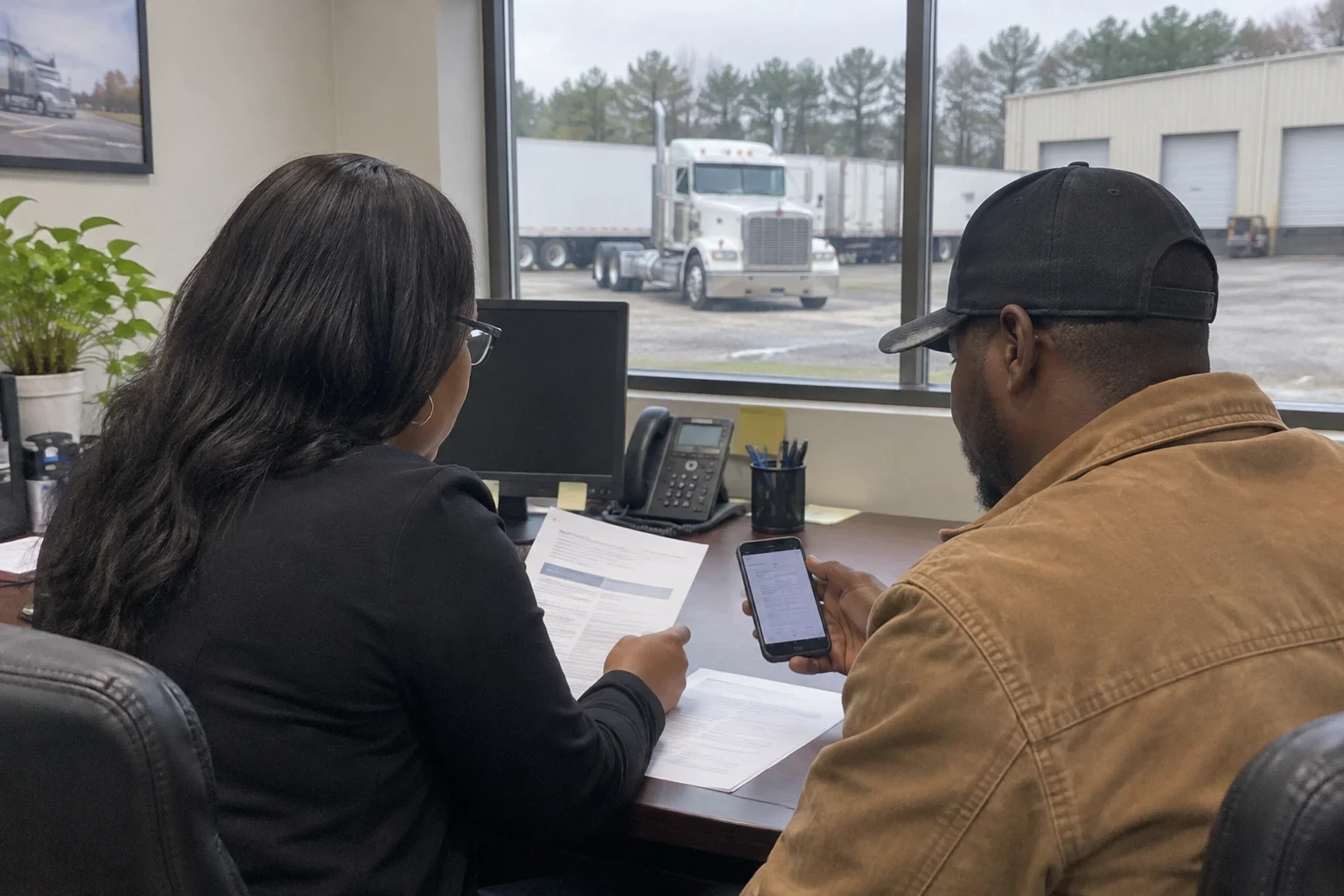
We ask about your trucks, trailers, drivers and the kind of loads you haul. You can also come by our office if that is easier.
- 2
Pull the details together
We need the year, make, model and VIN for each unit, the value you want to insure, and any lienholder information. A copy of your current policy helps if you have one.
- 3
Compare options in plain terms
We lay out what each quote covers, the deductibles and the premium. If two quotes look the same but one excludes something, we point it out.
- 4
Bind and send proof
Once you choose, we bind the policy and send certificates to your lender, leasing company or anyone else who needs one.
What moves the price
Physical damage premium is mostly about how much the carrier could have to pay out and how likely that is. Here is what they look at. We can tell you which of these you have some control over.
- Stated value of the truck and trailer
- The higher the value, the higher the premium. That is the biggest single driver.
- Deductible amount
- Raising the deductible usually lowers the cost. Your lender may cap how high you can go.
- Driver history and experience
- Accidents and violations on a driver's record raise the rate. So does a short time behind the wheel of a commercial truck.
- Where the truck parks and runs
- Theft and weather risk depend on where the equipment sits overnight. Georgia gets its share of spring hail and summer storms, which is why comprehensive matters on a truck parked outside.
- Type of operation
- A dump truck on job sites and a sleeper running long haul carry different risks, and carriers price them differently.
Physical damage questions we hear a lot
- Is physical damage the same as full coverage?
- Not quite. People say full coverage, but a truck policy is built from separate pieces. Physical damage covers your own equipment. Primary auto liability covers damage you do to others, and motor truck cargo covers the freight. Most operations need all three.
- What is the difference between stated value and actual cash value?
- Stated value is the number written on the policy. Actual cash value is what the truck is worth on the day of the loss. On a total loss, many truck policies pay the lower of the two. That is why putting a big number on the policy does not get you a bigger check.
- Does physical damage cover my truck while I am bobtailing?
- Yes. It follows the truck, not the trip, so the equipment is covered on dispatch or off. Liability while you are off dispatch is a separate coverage, and we explain it on our Non-Trucking Liability (Bobtail) Insurance page.
- My lender caps my deductible. Can I go higher to save money?
- Usually not without their written approval. The loan agreement sets the rule, and a policy that breaks it can cause trouble with the lender. We can show you what the premium looks like at the highest deductible they allow.
- Do I need this if my truck is paid off?
- No one requires it at that point. The real question is whether you could absorb a total loss. If replacing the truck would mean borrowing, most owners keep at least comprehensive, and many keep collision too.
Find out what your truck's coverage really pays
Bring your current policy or just the details on your trucks and trailers. We will walk through it with you and put together a quote you can read without a translator.